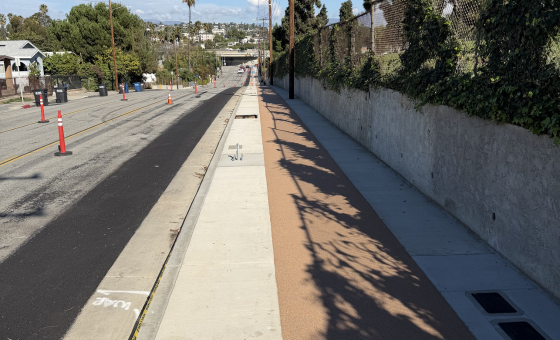
From Wildfire-Damaged Track to Transit: How Recycled Rubber Is Helping Los Angeles Rebuild
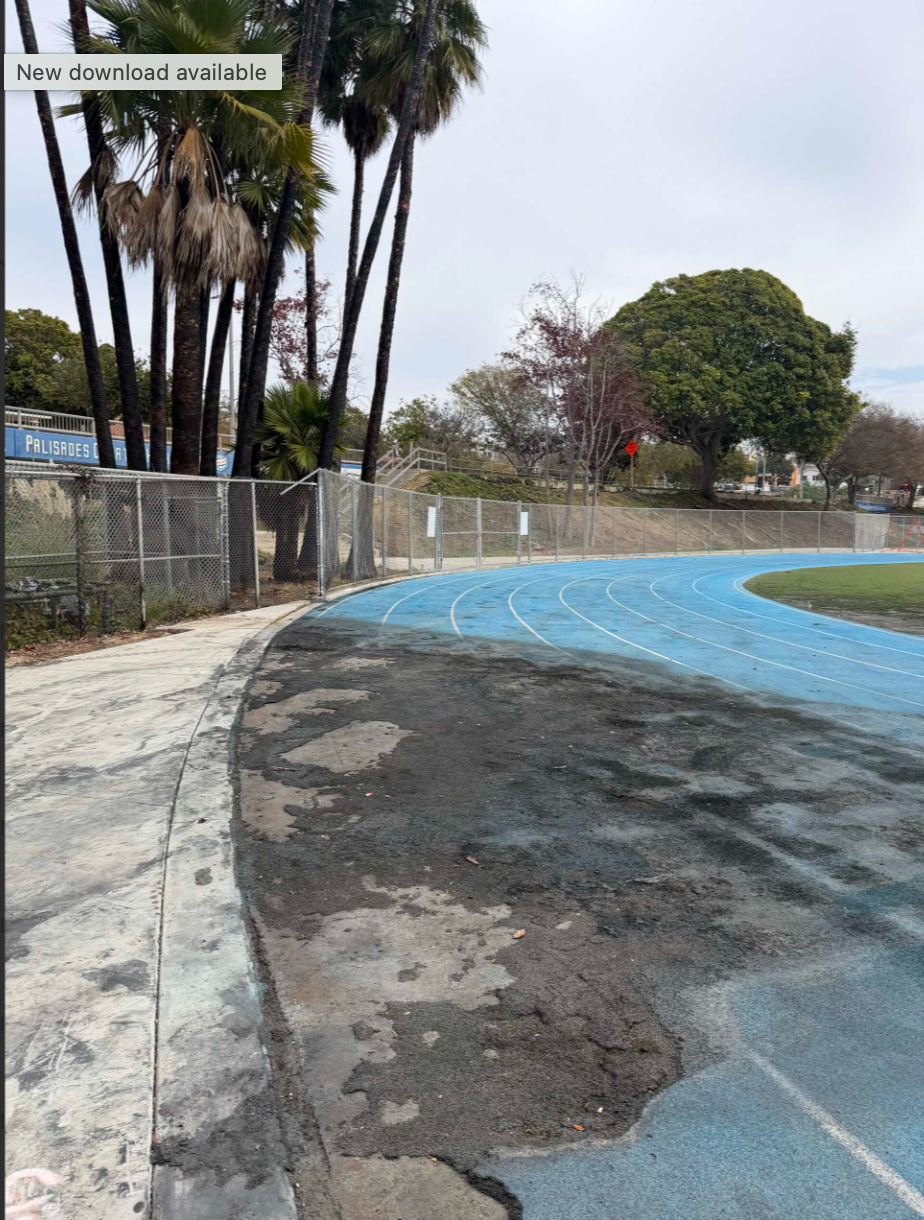
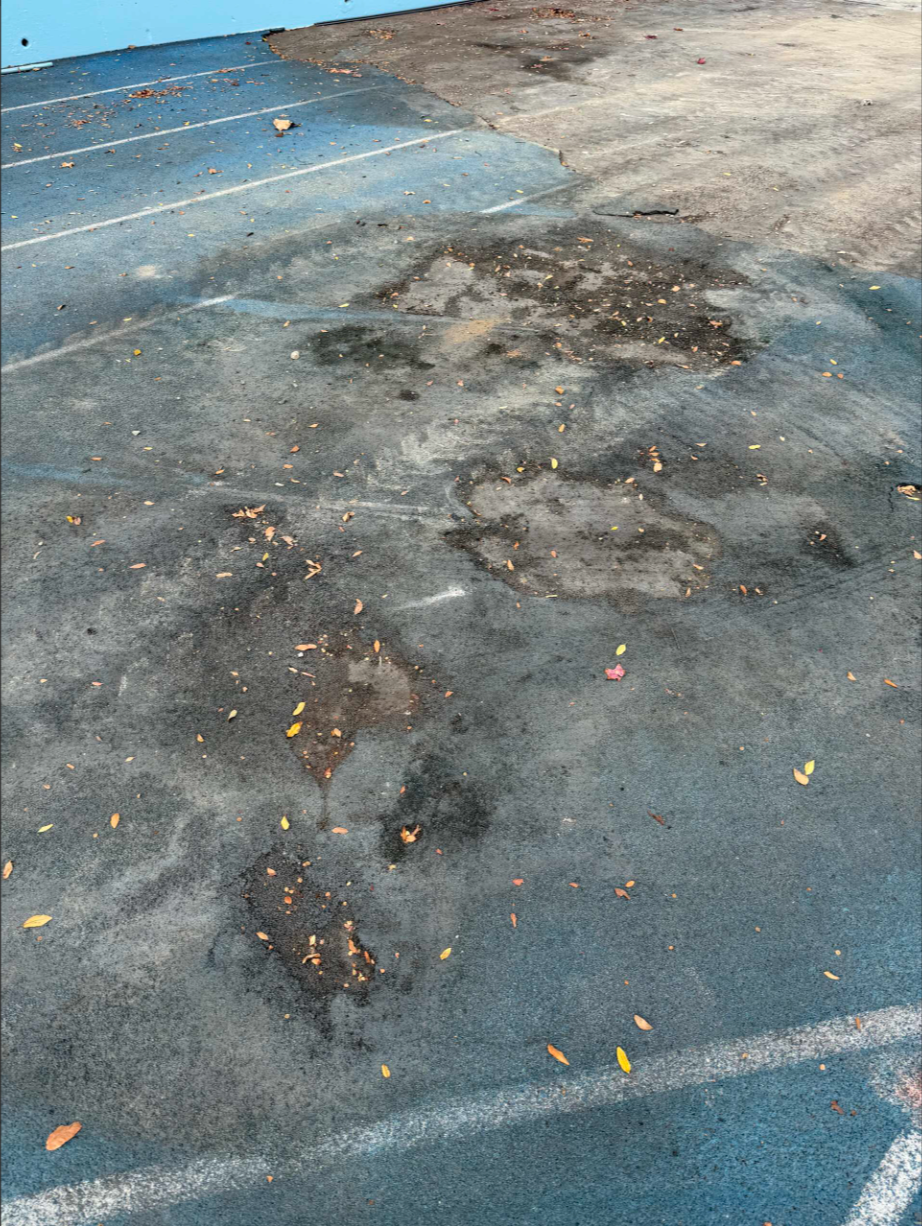
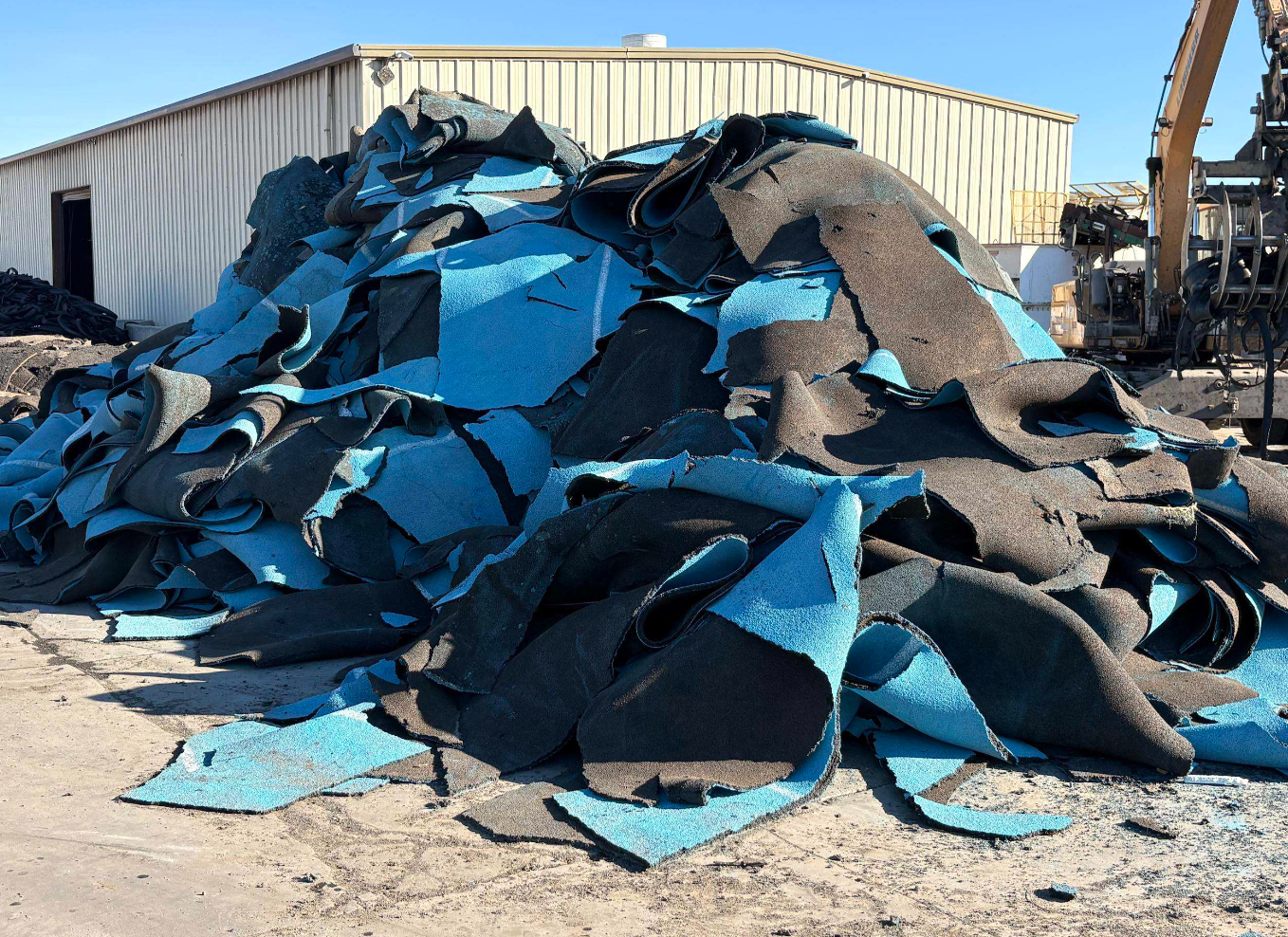
After last year’s wildfires damaged the track at Palisades Charter High School, the athletic surfacing could have been sent to a landfill. The school began the difficult work of recovery, it also faced a difficult question: What should happen to more than 140,000 pounds of damaged track material?
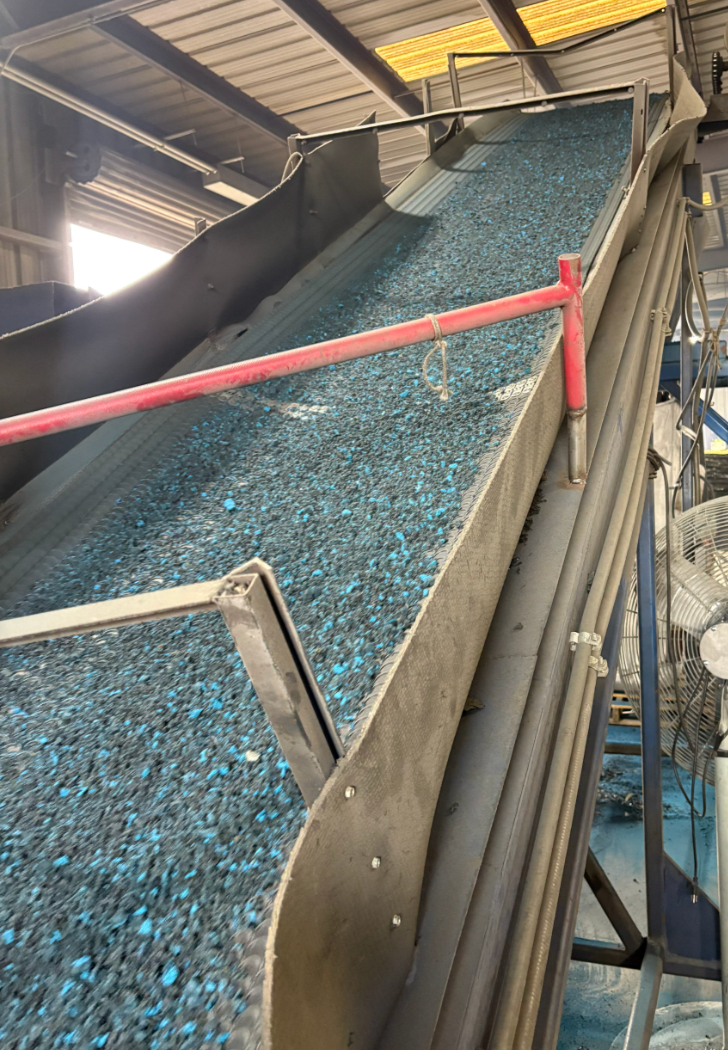
The recoverable portions of the track were processed locally and repurposed as material for new Los Angeles Metro walkways.The project diverted more than 140,000 pounds of material from landfills and avoided more than 340 tons of carbon emissions. The rubber is now entering its third generation of use: first as tires, then as an athletic track, and now as public infrastructure.
That simple progression—tires to track to walkway—shows circularity at its best. It keeps valuable material in use, reduces waste and turns a difficult recovery challenge into an investment that will continue serving the community.
The timing is especially meaningful as Los Angeles prepares to host the 2028 Olympic and Paralympic Games. The region is focused on improving mobility, expanding accessibility, and creating a lasting legacy.
At the Better Play Initiative, we believe the places where people move, play and gather should be safe, reliable, accessible and sustainable. That is why this project deserves attention: it shows how thoughtful partnerships can keep recycled rubber in use, reduce waste and create public infrastructure that continues serving communities long after its original purpose has ended.
Recycled rubber’s versatility allows it to serve multiple purposes from athletic tracks and synthetic turf infill to asphalt and poured-in-place sidewalks.
The Palisades project takes that promise one step further. It shows that the end of one facility’s useful life can become the beginning of another community asset.
This opportunity carries particular weight after a disaster. Recovery creates enormous logistical, financial and environmental pressures. Communities must move quickly while also making decisions that will shape public spaces for decades. Circular approaches can help meet several needs at once: reducing disposal, limiting environmental impact, supporting local processing, and creating durable infrastructure that serves more people.
School districts, parks departments, transit agencies, manufacturers and local governments should begin discussing material recovery before surfaces reach the end of their useful lives, or before an emergency forces a rushed decision.
With creativity, collaboration and commitment, more communities can put a circular approach to work.
No single project can erase the destruction caused by the Palisades fires. But this initiative demonstrates that recovery can produce a system in which yesterday’s track becomes tomorrow’s walkway.
Footnotes
Sign up for “Better Play Today”
A newsletter on all things recycled rubber, written for community leaders.
Thank you! Your submission has been received!
Something went wrong while submitting the form. Please try again.
.png)